Visiting Brazil for the first time? Brazil is an extraordinary country but also one that requires some preparation. These practical travel tips will help first-time visitors navigate everything from visas and currency to safety, transport, and cultural etiquette in 2026.
1. Sort Your Visa Before You Fly
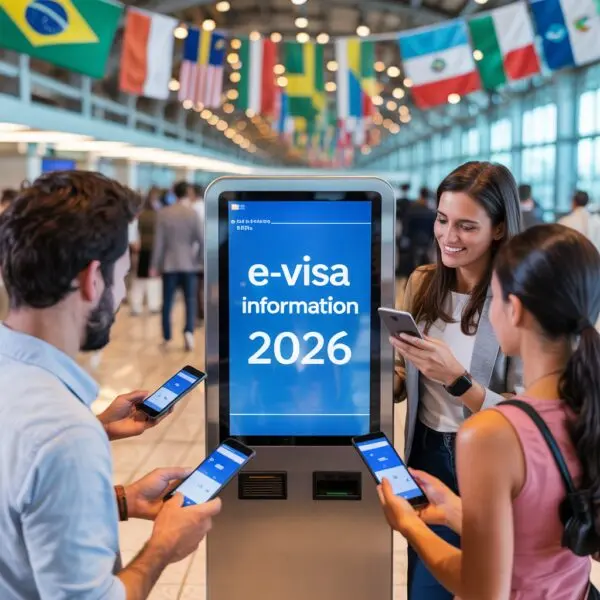
US, Canadian, and Australian citizens must have a valid Brazil eVisa before traveling – obtained through brazil.vfsevisa.com. Apply at least 2 weeks before departure. The fee is $80.90 USD and processing takes up to 5 business days. Airlines will deny boarding without it. EU and UK citizens enter Brazil visa-free. See our complete Brazil eVisa Guide for details and our Requirements checklist.
2. Learn Basic Portuguese
Brazil’s official language is Portuguese, and outside tourist areas in Rio and Sao Paulo, English is not widely spoken. Learning basic phrases (obrigado/obrigada for thank you, com licenca for excuse me, quanto custa for how much) goes a long way. Google Translate’s camera function is invaluable for menus and signs.
3. Use Pix and Cards for Payments
Brazil is rapidly becoming cashless. The national instant payment system Pix is used universally by Brazilians. As a foreign visitor, you will primarily use credit and debit cards (Visa and Mastercard widely accepted). Keep some cash (Brazilian Reais – BRL) for small vendors, markets, and taxis. Avoid airport exchange booths – use ATMs (Bradesco, Itau, Banco do Brasil have reliable ATMs for foreign cards) or a Wise card for better exchange rates.
4. Download Uber Before You Arrive
Uber operates in all major Brazilian cities and is safer and more reliable than hailing street taxis. The app works exactly as it does elsewhere. 99 (local competitor) is also popular. Avoid unmarked taxis, especially at airports. For interurban travel, domestic flights are often surprisingly affordable compared to the time cost of long bus journeys in a vast country.
5. Be Sun Smart
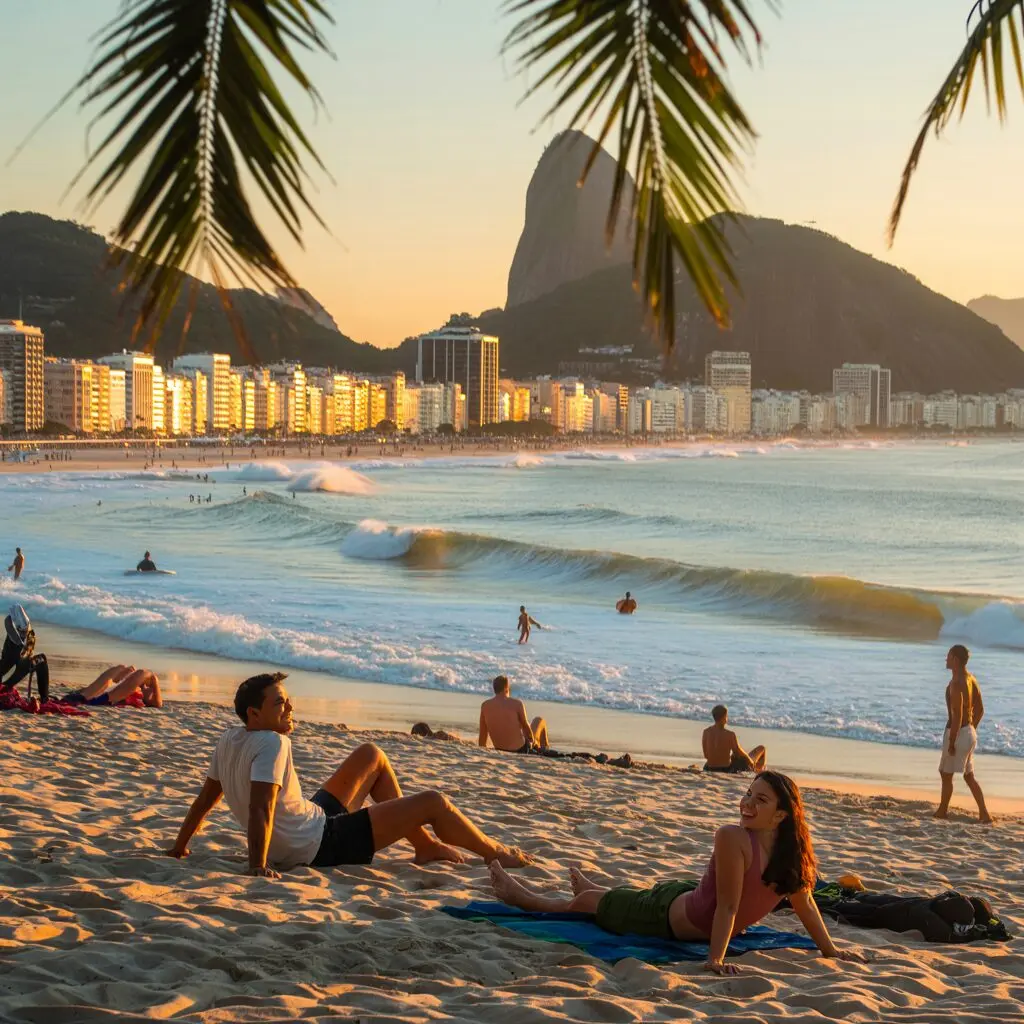
Brazil is tropical and the UV index is extreme, especially on beaches and during midday. Apply SPF 50+ sunscreen generously and reapply frequently. Sunburn on day 1 ruins the rest of the trip. Brazilian sunscreens (available in any pharmacy/farmacia) are excellent quality and affordable.
6. Stay Hydrated and Watch What You Eat
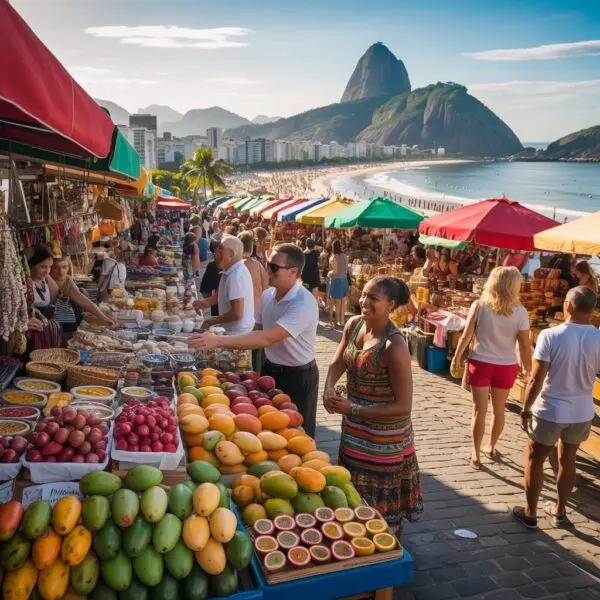
Tap water is technically drinkable in major cities but most travelers opt for bottled water to avoid stomach issues. Street food is delicious and generally safe from busy stalls with high turnover. Acai bowls, pastel (fried pastries), coxinha (chicken croquettes), and fresh coconut water are all unmissable. Be cautious with raw or undercooked shellfish in coastal areas.
7. Plan for Yellow Fever If Coming From Endemic Countries
Brazil requires a yellow fever vaccination certificate for travelers arriving from endemic countries (parts of Africa and South America). If you have visited Kenya, Peru, Bolivia, Colombia, or other yellow fever risk countries within the last 10 days, bring your vaccination certificate. See our Brazil Entry Requirements page.
8. Respect the Weather Seasons
Brazil’s seasons are the reverse of the Northern Hemisphere. Summer is December-March (hot and humid, rainy in many regions). Winter is June-September (cooler, drier, often ideal). Rio in January is peak summer – hot, crowded, and expensive. The best time for most destinations is April-October.
9. Book Accommodation in Advance for Major Events
Carnival (February/March – dates vary by year) is the world’s largest festival. Hotels in Rio and Salvador book out months in advance for Carnival week. If visiting during Carnival, book 6+ months ahead. New Year’s Eve in Rio (Reveillon at Copacabana) also requires advance planning.
10. Understand the Stay Limits
Whether entering on an eVisa (US/CA/AU) or visa-free (EU/UK), Brazil limits stays to 90 days per entry and 180 days per year. Track your entry date carefully. See our Brazil eVisa Validity page for details on extensions.
Bonus Tip: Budget Wisely
Brazil is an affordable destination by Western standards, but prices vary significantly by region and season. Rio and Florianopolis are more expensive; the northeast (Fortaleza, Recife, Salvador) offers better value. For a full budget breakdown, see our Cost of Visiting Brazil guide.
Frequently Asked Questions
Is it safe to walk around Brazilian cities at night?
Safety varies enormously by neighborhood and city. Tourist areas in major cities are generally safe at night with sensible precautions (avoid displaying phones, jewelry, or cameras). Research your specific neighborhood. Vila Madalena and Jardins in Sao Paulo, and Ipanema/Leblon in Rio are generally considered safe for tourists.
What currency does Brazil use?
Brazil uses the Brazilian Real (BRL). Exchange rates fluctuate – check the current rate before traveling. As of 2026, approximately 1 USD = 5-6 BRL. ATMs and Wise cards offer better rates than airport exchange booths.
Do I need travel insurance for Brazil?
Travel insurance is strongly recommended for Brazil. Medical care quality varies widely and private hospitals can be expensive. A policy covering medical emergencies, evacuation, trip cancellation, and theft is advisable for any Brazil trip.